 Naturae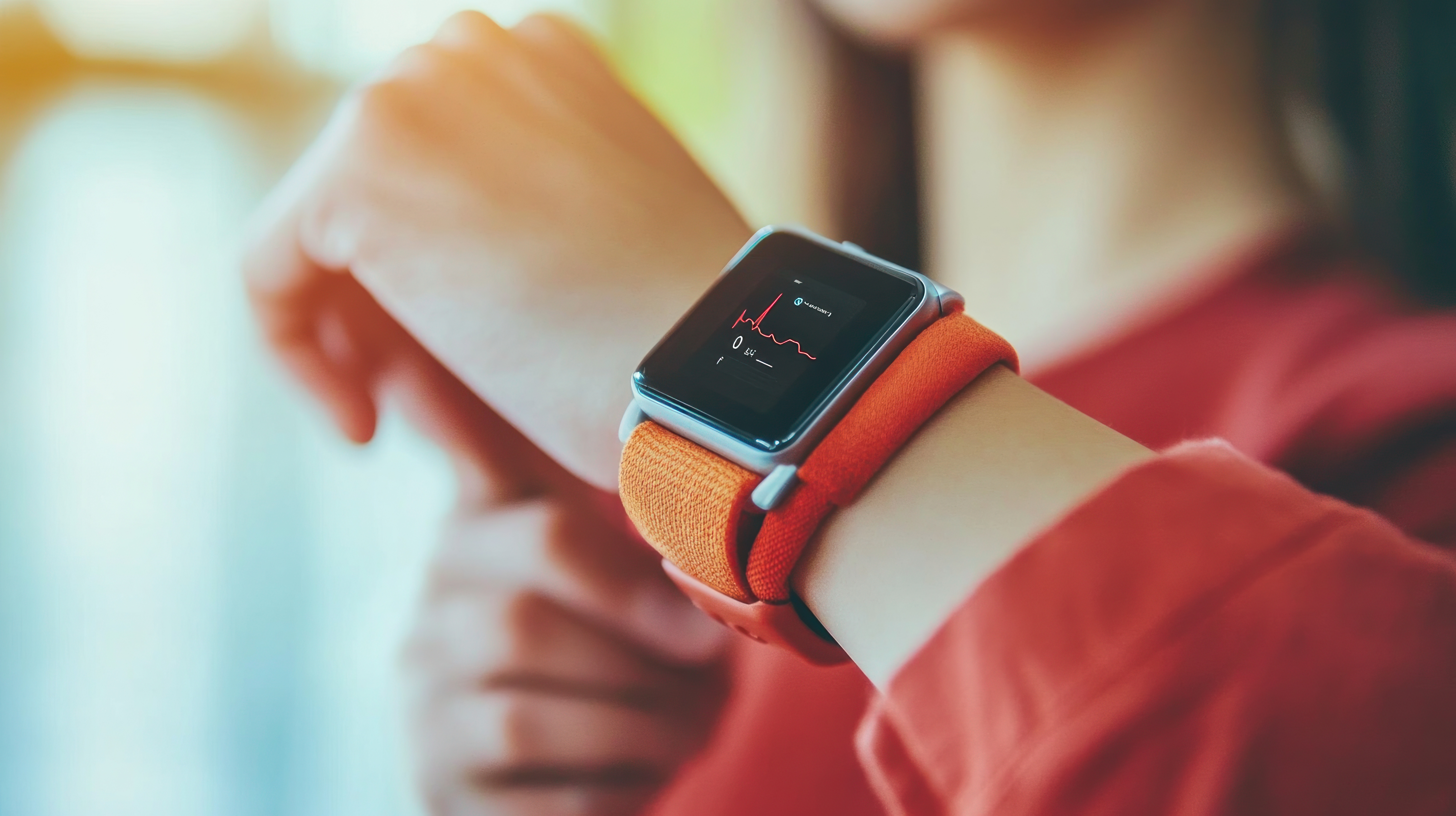
Your patients are already wearing the future of monitoring on their wrists. A large and growing share of them arrive with a smartwatch or fitness tracker that has been quietly recording their heart rate, sleep stages, activity, and more — continuously, around the clock, in exactly the kind of real-world, longitudinal detail that integrative medicine has always cared about and rarely been able to access.
For most practices, all that data stays trapped on the patient’s phone, glanced at by the patient and never reaching the clinical picture. That is a missed opportunity, and in 2026 it is a particularly costly one — because the infrastructure and the reimbursement to actually use this data have matured to the point where integrative practices can build real programs around it. Let me lay out the landscape.
Why continuous data fits integrative medicine especially well
Conventional medicine has historically worked from snapshots: the labs and vitals captured at a visit, a few times a year. Integrative and root-cause medicine has always wanted more than snapshots — it cares about patterns over time, about sleep and stress and recovery and the daily rhythms of a life, because those are where so much of health and dysfunction actually live.
Continuous data from wearables is, in a sense, the dataset integrative medicine always wished it had. Sleep quality trends, resting heart rate and heart rate variability as windows into stress and recovery, activity patterns, and more — captured not in an artificial clinic snapshot but in the patient’s real life, day after day. This is a natural fit for whole-person, lifestyle-centered care in a way it simply is not for fifteen-minute episodic medicine. The practitioners best positioned to make clinical sense of this data are arguably integrative ones.
The reimbursement landscape has matured
For years, the barrier to building monitoring into a practice was that it was clinical work you largely could not bill for. That has changed substantially, and 2026 brought meaningful expansion.
Remote patient monitoring, which tracks physiological data like heart rate, blood pressure, weight, and glucose, is an established, reimbursable Medicare program, and it is increasingly covered by state Medicaid programs and commercial payers as well. As of 2026 it remains one of the better-paying Medicare care management programs, and CMS introduced new RPM codes in the 2026 Physician Fee Schedule. The 2026 Final Rule expanded the code set and lowered thresholds — including a new code for shorter monitoring periods — alongside increases to reimbursement rates, which lowers the barrier to starting a program.
There is also remote therapeutic monitoring, a parallel category. RTM tracks non-physiological data — things like therapy adherence, functional status, and therapeutic response — complementing RPM’s focus on physiological vital signs, and it too was expanded in 2026. The 2026 Physician Fee Schedule added new RTM codes that lower billing thresholds and recognize shorter monitoring durations. One important rule to know: RPM and RTM generally cannot both be billed for the same patient in the same month, and only one clinician can submit claims for a given patient.
The exact codes, thresholds, and rates are detailed and they shift, so I am not going to turn this into a coding guide that will be stale in a year — and reimbursement specifics should always be verified against the current Physician Fee Schedule and your own billing expertise. The strategic point is what matters: the financial infrastructure to support monitoring-based care exists and is expanding, which means a well-designed program can be both clinically valuable and financially sustainable rather than uncompensated extra work.
What a program actually requires
A monitoring program is not just “look at the patient’s watch data.” To be clinically meaningful and properly reimbursable, it requires real infrastructure, and this is where many practices underestimate the lift.
You need a way to get device data into your system reliably and securely. You need that data integrated into the patient’s chart so it informs care rather than living in a separate silo. You need to track the monitoring time and interactions that reimbursement depends on, with documentation that holds up. And you need the patient-communication layer — because monitoring programs require interactive engagement with the patient, not just passive data collection. Done by hand across disconnected tools, this is overwhelming. Done within an integrated practice management system designed to support it, it becomes a workflow rather than a burden.
This is precisely the kind of capability we are building toward in the OfficePro roadmap — secure integration of wearable and device data, tied into the chart and the billing and communication layers — because monitoring-based care only works when the whole pipeline, from device to documentation to reimbursement, is connected.
The competitive opening
Here is why I think this is worth your attention now rather than someday. Relatively few integrative practices have built real monitoring programs yet, even though integrative medicine is arguably the best-suited specialty for the continuous, lifestyle-rich data wearables produce. The clinical fit is there, the patient devices are already there on your patients’ wrists, and the reimbursement has matured. What is mostly missing is practices actually claiming the space.
That gap is an opening. A practice that thoughtfully builds wearable data and remote monitoring into its care — clinically, not just as a billing exercise — can differentiate itself meaningfully, deepen the longitudinal relationship with patients, generate a new sustainable revenue stream, and practice the kind of continuous, real-world, whole-person medicine that integrative care has always aspired to. The practices that move while the space is open will be well ahead of those that wait until it is crowded.
The lesson
The exam-room snapshot was always a compromise — the best data medicine could capture given the tools of the time. Those tools have changed. Your patients now generate richer, more continuous, more real-world health data than any clinic visit ever could, and the means to use it clinically and bill for it responsibly have arrived.
For integrative medicine especially, this is not a threat or a fad to be wary of. It is the dataset and the care model your philosophy always pointed toward, finally made practical. The watch on your patient’s wrist is an invitation. It is worth answering.
OfficePro’s roadmap is building toward integrated wearable and remote monitoring support. Take the free practice assessment →
Keep reading
Tracking Whole-Person Outcomes: The Data That Proves Holistic Care Works
Practice InsightsAI in the Integrative Practice: Where It Helps, Where It Shouldn’t, and Who Stays in Charge
Practice InsightsHIPAA for Cash-Pay Integrative Clinics: The Compliance Gaps Most Practices Miss
This article discusses reimbursement programs and is for general informational purposes only, not billing, coding, or legal advice. Verify all codes, thresholds, and rates against the current CMS Physician Fee Schedule and qualified billing counsel before building a program.